PSM 200
PSM 200 In Ear Personal Monitoring System
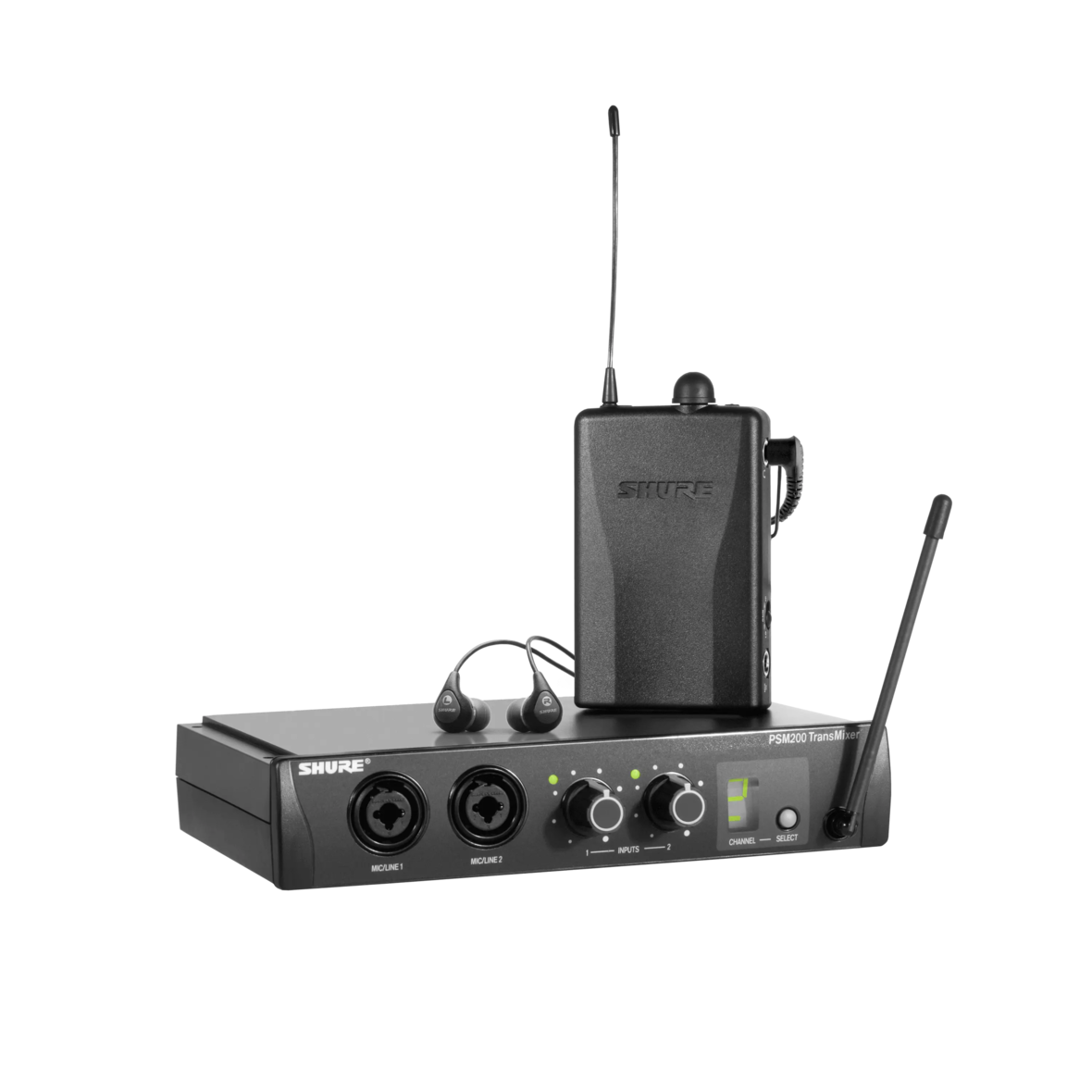
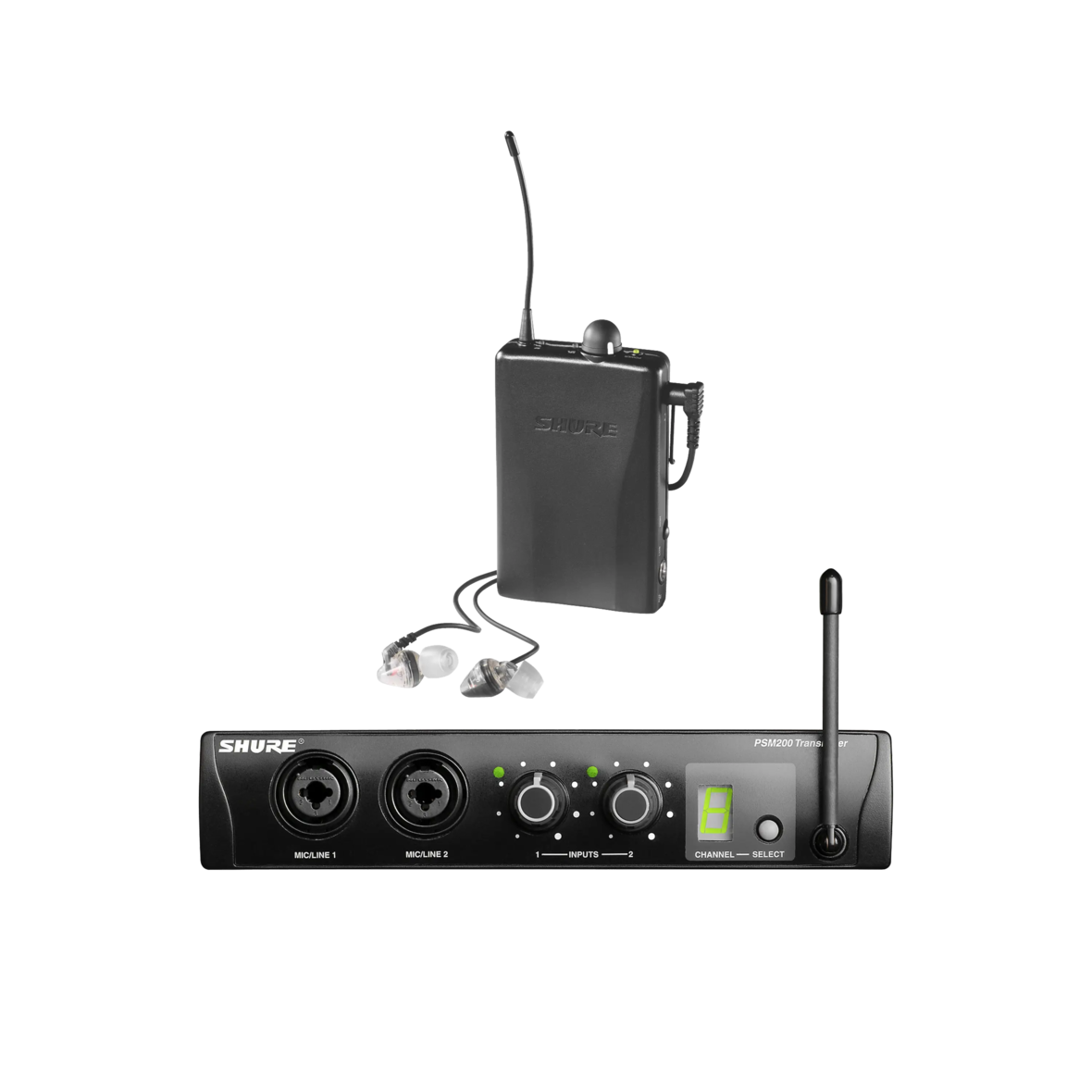
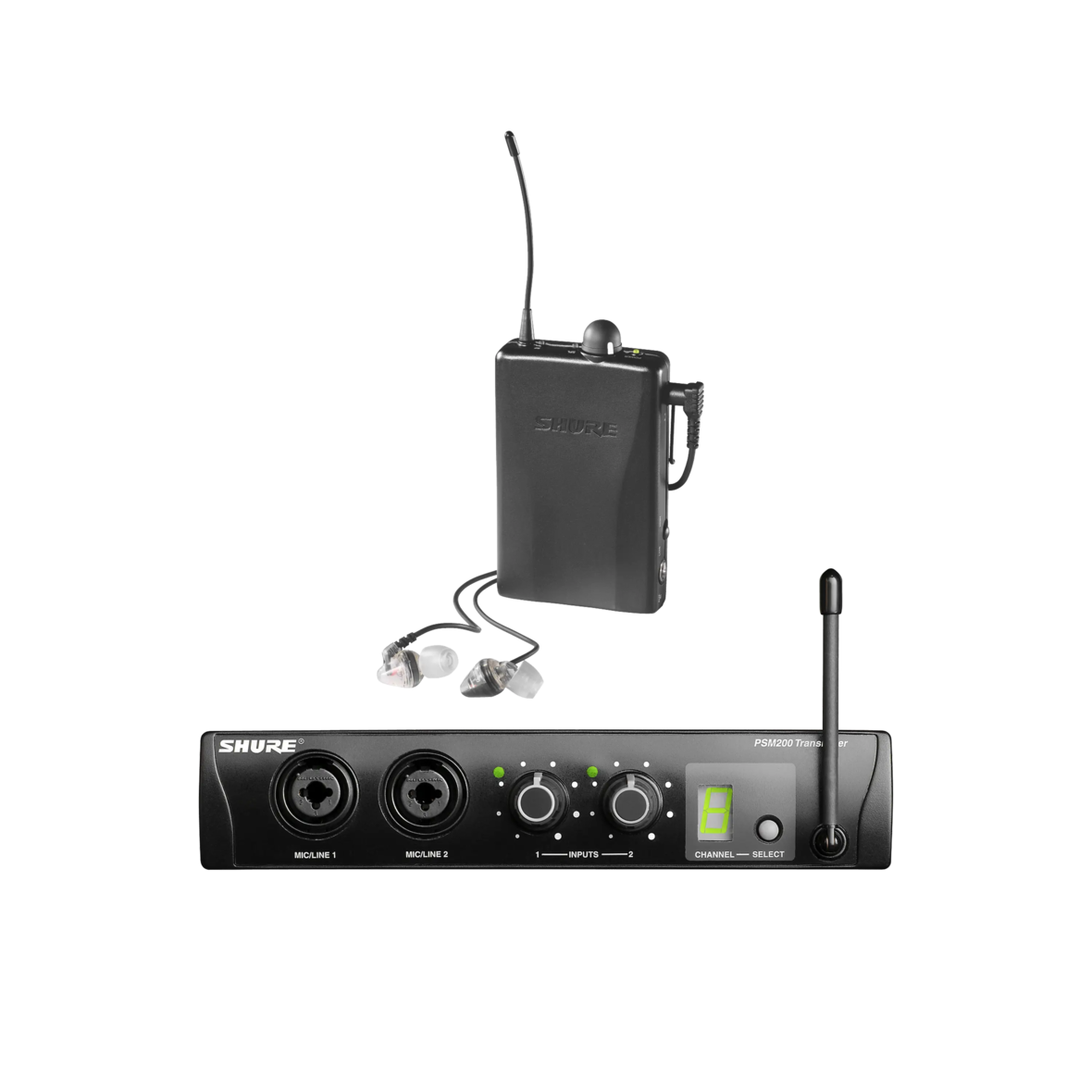
The entry to professional in ear personal monitoring from Shure. This package contains SE-112 Sound Isolating earphones, a P2R receiver and a P2T transmixerr.
Product Details
- Built-in audio limiter
- Front mounted antenna
- Two mic/line input channels for mix control
- Built in headphone limiter
- Volume control on bodypack receiver
- 1/2 Rack space
Support
Customer Support
Service & Repair
Detailed policy information regarding customer service numbers, service modifications, and replacement parts.
Service & RepairContact Us
Submit a ticket directly to Shure Customer Service staff, or reach out via phone or email.
Contact UsResources
Shure Tech Portal
Complete product documentation, technical support materials, software and firmware, and other tools and resources for all Shure products, in one place.
Sign In
Documentation
User Guide & Specs
-
cloud_download
Spec Sheet
-
cloud_download
Find An Answer
Comparable Products
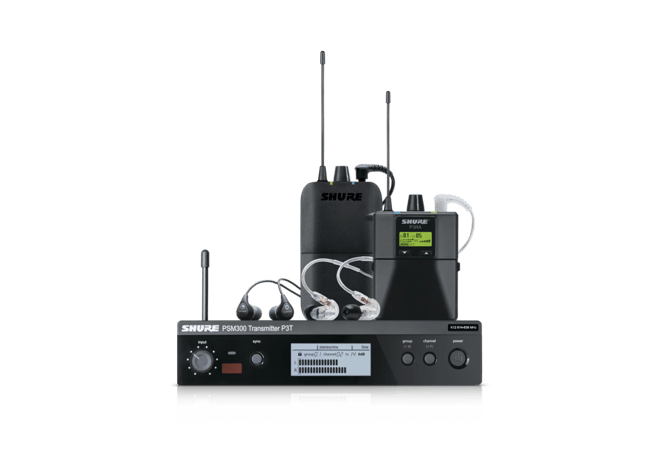
PSM 300
PSM®300 Stereo Personal Monitor System
Wireless stereo monitoring with detailed 24-bit digital audio processing.
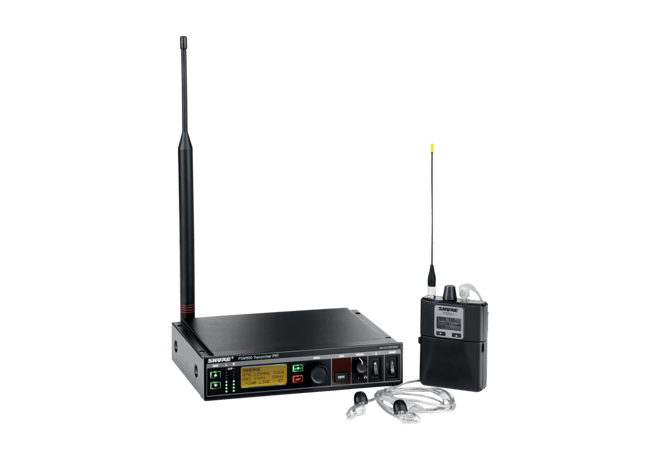
PSM 900
PSM 900 In-Ear Personal Monitoring System
The Shure PSM® 900 Wireless Personal Monitor System offers excellent audio quality and reliable RF performance to meet the needs of professional audio applications.
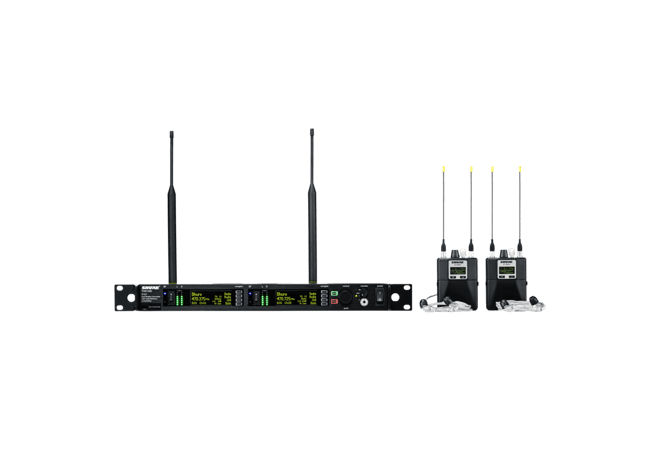
PSM 1000
PSM 1000 In-Ear Personal Monitoring System
An unprecedented combination of audio and RF performance for the most demanding professional monitoring applications.