Jump to main content
Choose country
language
United Kingdom
Special Offers
shopping_cart
Products
Microphones
Wireless
Earphones
Headphones
In-Ear Monitoring
Conferencing
Software
DSP, Routing & Mixing
Loudspeakers
Accessories
Mixers & DSP
Performance & Production
Voice
Instruments
Applications
Louder
Case Studies
KSM Studio Collection
Conferencing & Meetings
Solutions
Room Type
Applications
Ignite
Case Studies
Partners
ISE
InfoComm
Headphones & Earphones
Wireless
Wired
Accessories
Applications
Amplify
Support
Service & Repair
Find an Answer
Tools
User Guides and Downloads
Tech Portal
Shure Partner Shop
Shure Audio Institute
Wireless Spectrum
Firmware
Registration & Warranty
Discontinued
Mic Cleaning
Where to Find Shure
Product End Of Life
Declarations of Conformity
Shop
Earphones
Headphones
Microphones
Home Office
Podcasting
Accessories
FAQ
Special Offers
Stem Ecosystem
Tech Portal
chevron_right
Products
Microphones
Wireless
Earphones
Headphones
In-Ear Monitoring
Conferencing
Software
DSP, Routing & Mixing
Loudspeakers
Accessories
Mixers & DSP
Performance & Production
Voice
Instruments
Applications
Louder
Case Studies
KSM Studio Collection
Conferencing & Meetings
Solutions
Room Type
Applications
Ignite
Case Studies
Partners
ISE
InfoComm
Headphones & Earphones
Wireless
Wired
Accessories
Applications
Amplify
Support
Service & Repair
Find an Answer
Tools
User Guides and Downloads
Tech Portal
Shure Partner Shop
Shure Audio Institute
Wireless Spectrum
Firmware
Registration & Warranty
Discontinued
Mic Cleaning
Where to Find Shure
Product End Of Life
Declarations of Conformity
Shop
Earphones
Headphones
Microphones
Home Office
Podcasting
Accessories
FAQ
Special Offers
Stem Ecosystem
Special Offers
shopping_cart
Choose country
language
United Kingdom
Special Offers
shopping_cart
Products
Microphones
Wireless
Earphones
Headphones
In-Ear Monitoring
Conferencing
Software
DSP, Routing & Mixing
Loudspeakers
Accessories
Mixers & DSP
Performance & Production
Voice
Instruments
Applications
Louder
Case Studies
KSM Studio Collection
Conferencing & Meetings
Solutions
Room Type
Applications
Ignite
Case Studies
Partners
ISE
InfoComm
Headphones & Earphones
Wireless
Wired
Accessories
Applications
Amplify
Support
Service & Repair
Find an Answer
Tools
User Guides and Downloads
Tech Portal
Shure Partner Shop
Shure Audio Institute
Wireless Spectrum
Firmware
Registration & Warranty
Discontinued
Mic Cleaning
Where to Find Shure
Product End Of Life
Declarations of Conformity
Shop
Earphones
Headphones
Microphones
Home Office
Podcasting
Accessories
FAQ
Special Offers
Stem Ecosystem
Tech Portal
chevron_right
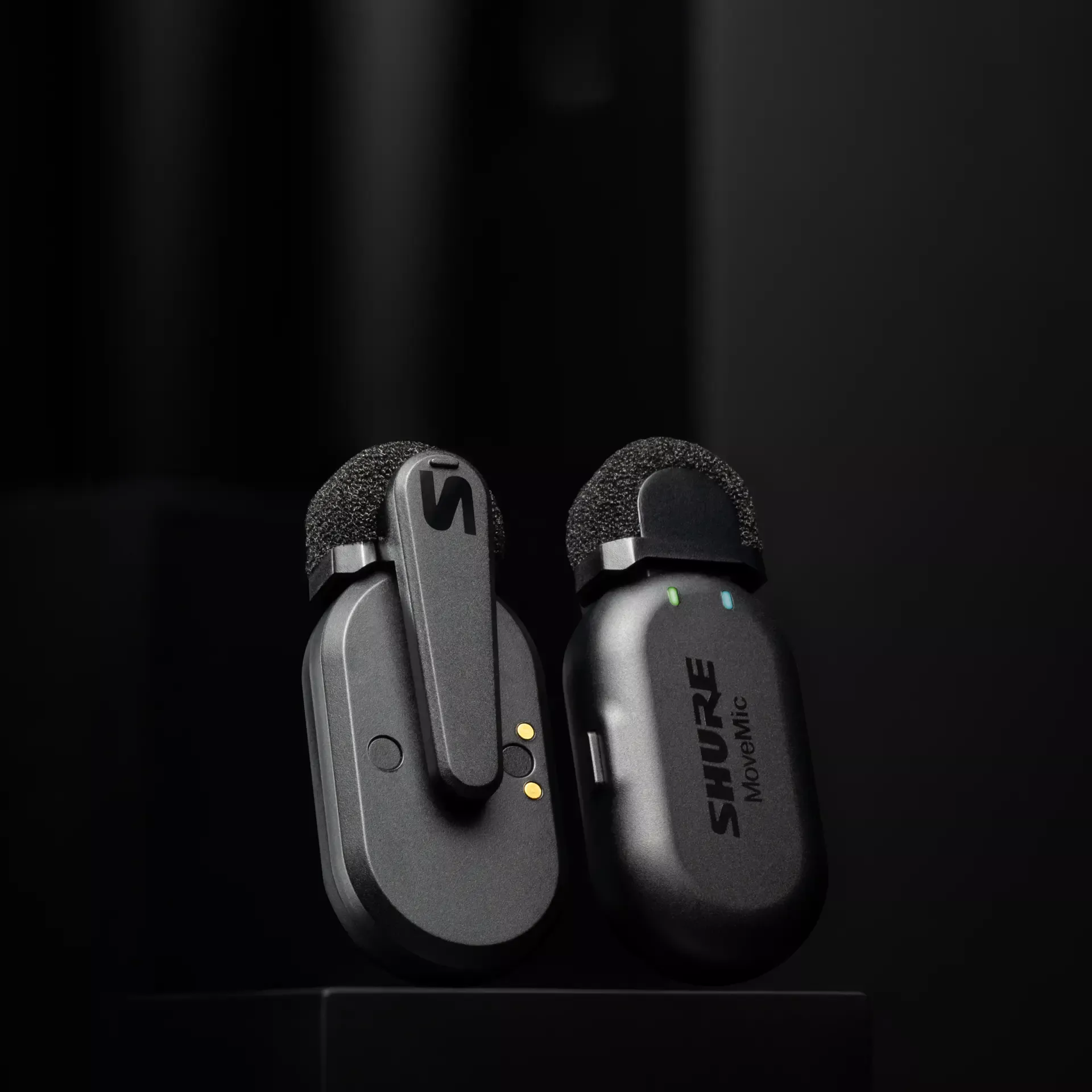
MoveMic Wireless Microphones
Impressive Sound. Made Impossibly Small.
Explore MoveMic
Vocal Microphones
It's your voice. Find your microphone.
Learn More
Iconic Microphones
Every icon has a story. What’s yours?
Learn More
MXA902 Integrated Conferencing Ceiling Array
The Fastest Way To Better Sound
Explore the MXA902
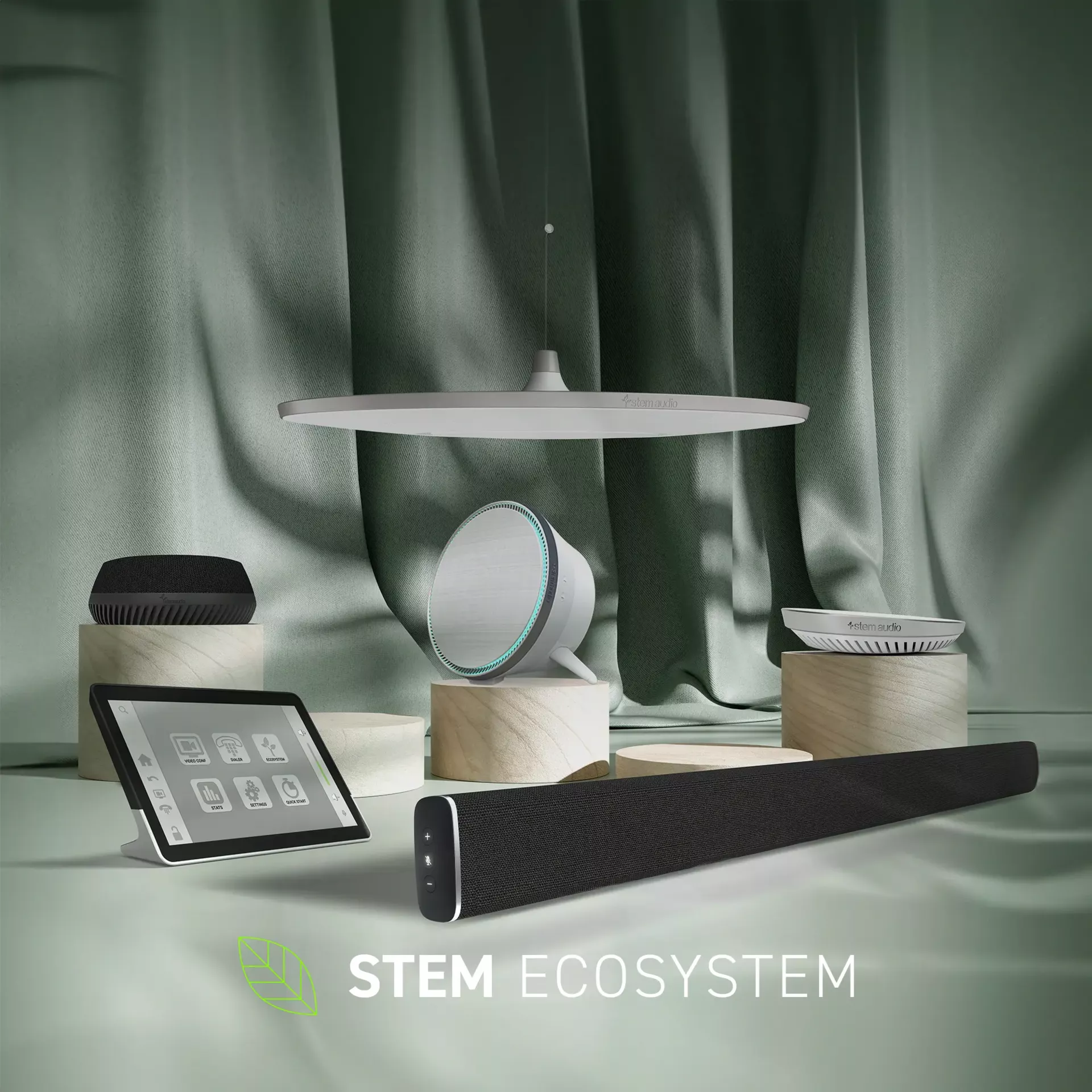
Stem Ecosystem
Everything you need to quickly set up a top-quality, affordable audio system
Explore More
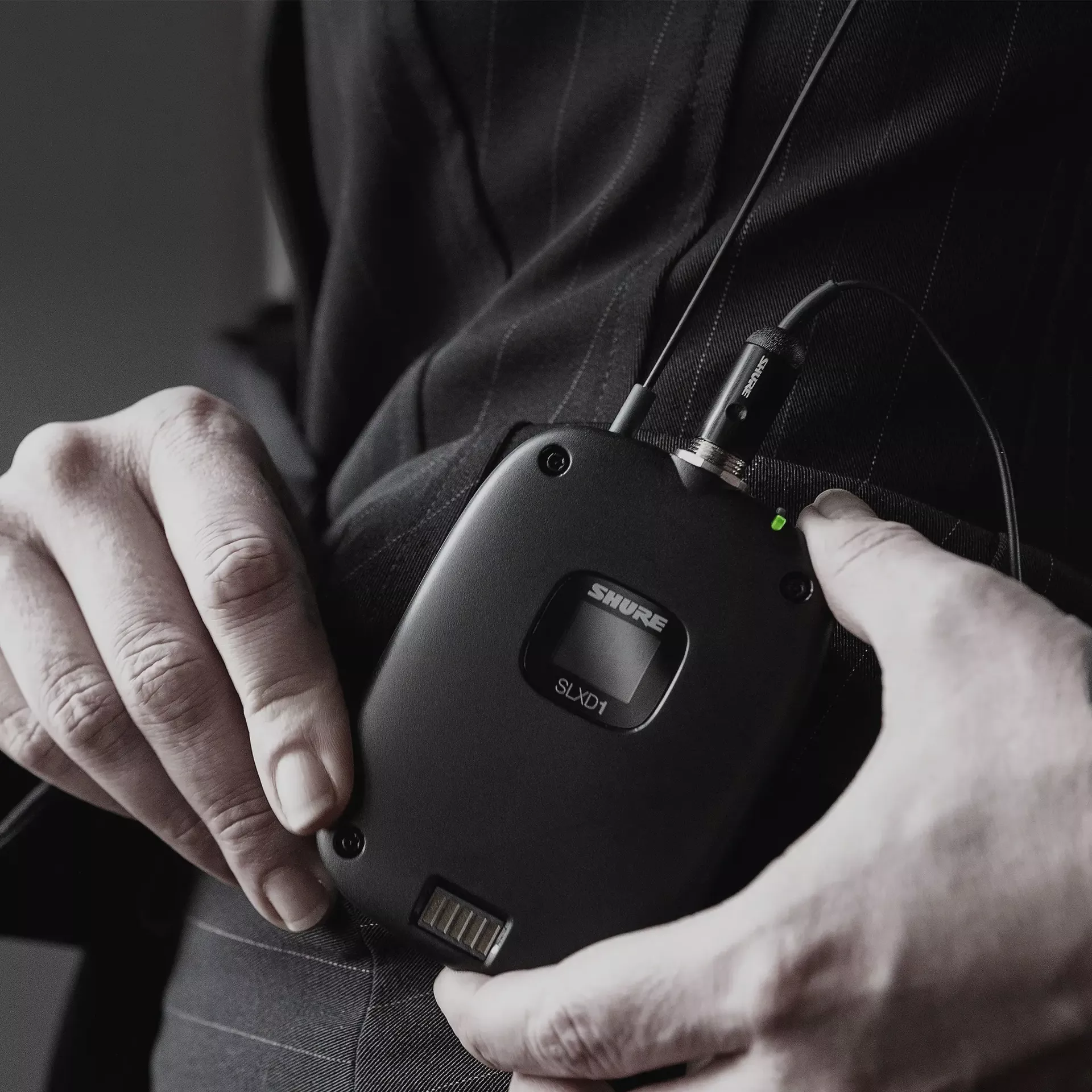
SLX-D Wireless Microphone System
Wireless Excellence, Wherever Required
Explore SLX-D
KSM11 Wireless Cardioid Condenser Vocal Microphone
The Next Stage in Live Vocals
Learn More
INTELLIMIX ROOM
The future of DSP hardware is no hardware at all.
Learn more
ONLINE SHOP
Explore Our Great Range of Products
Shop Now
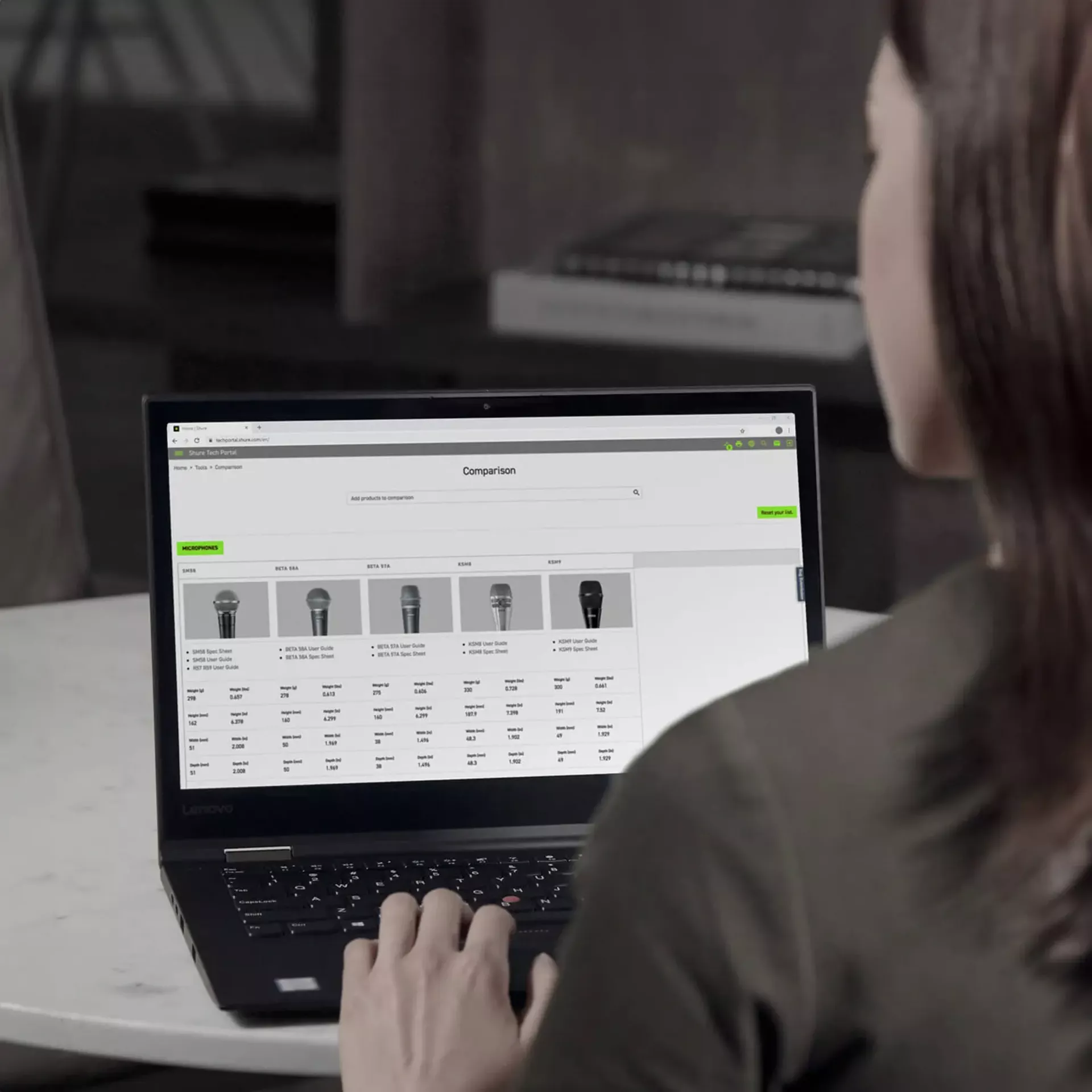
techportal.shure.com
Shure Tech Portal
Learn More
Product Support
Get the most from your gear.
Contact our support team